
Resources (Material): CORK
HOME / Resources / Our Materials / Cork
What Is CORK?
‘Cork’ is the bark that comes from the Quercus Suber tree (aka: Cork Oak Tree), found prominently in the Mediterranean region, where the climate and soil morphology allows the material to flourish. Though historically the cork industry has been driven by the wine bottling industry, a lot of development has occurred over the last 30 years with creative manufacturing techniques designed to leverage cork’ natural attributes.
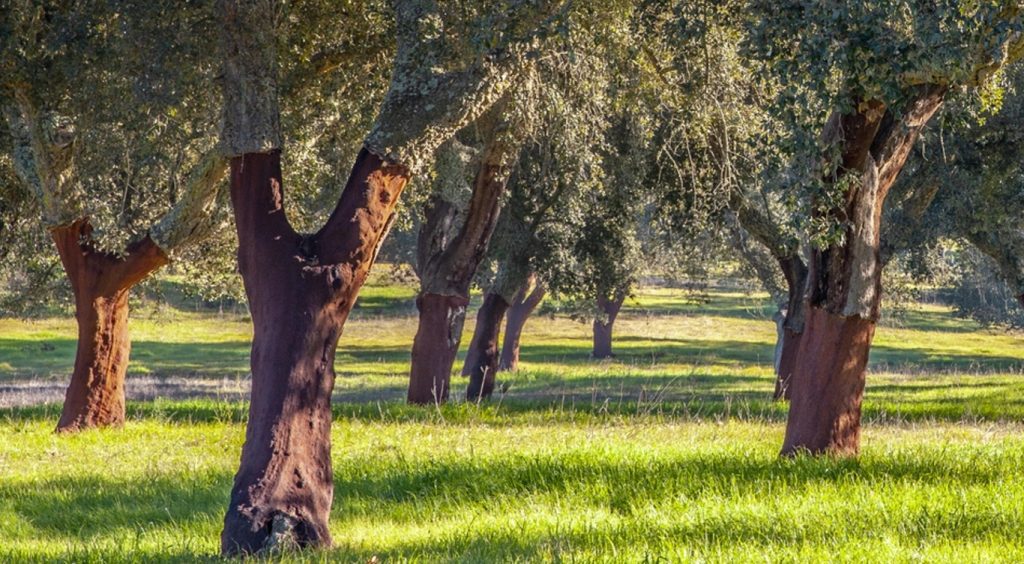

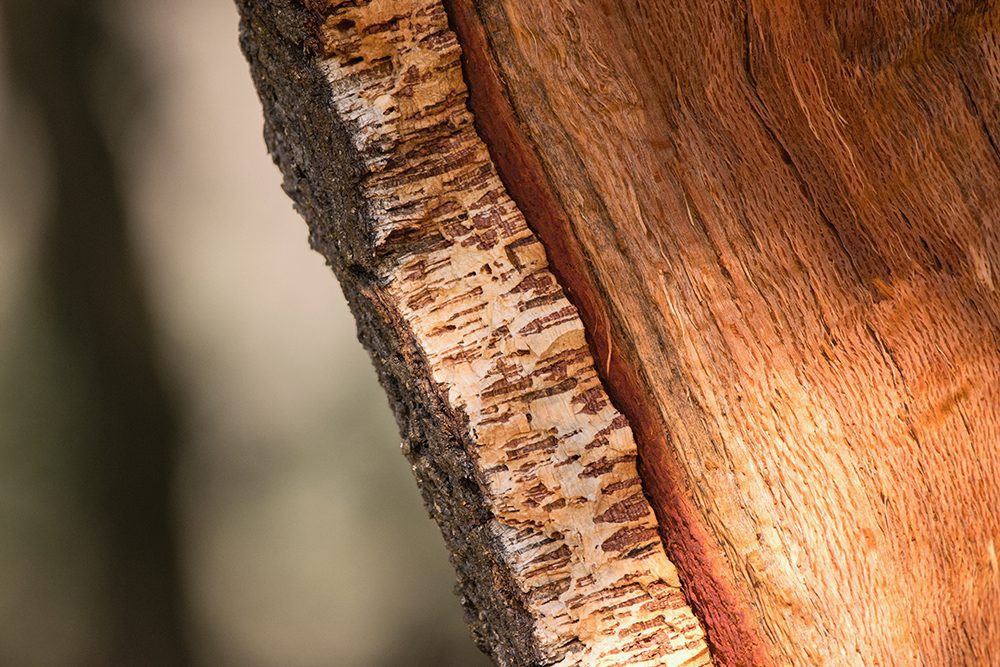
How Is CORK Harvested?
- Bark is ‘peeled’, by hand
- Harvesting occurs every 9 years without harm to tree
- Bark naturally re-grows
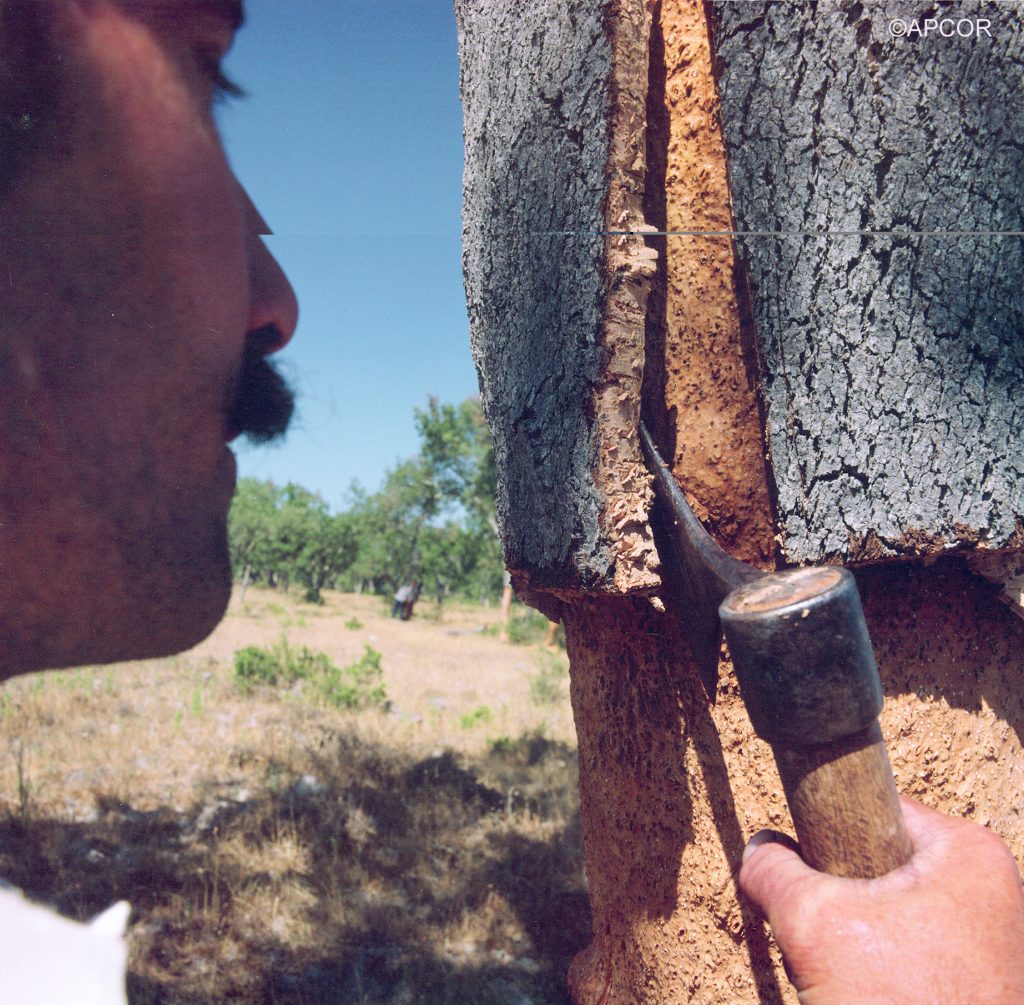
The beauty of the Cork Oak trees is that the tree does NOT get cut down, but rather, the bark is peeled (by hand), and then the bark naturally regenerates. The harvesting cycle of this bark is every 9 years once after the ‘first harvesting’ is completed. This first harvesting occurs at roughly 25 years after initial growth, which provides irregular and tough cork and is known as ‘Virgin’ cork. Generally, this material is hard to work with and has limited use (though we have incorporated it into our Virgin Tree Cork Bark Panels).
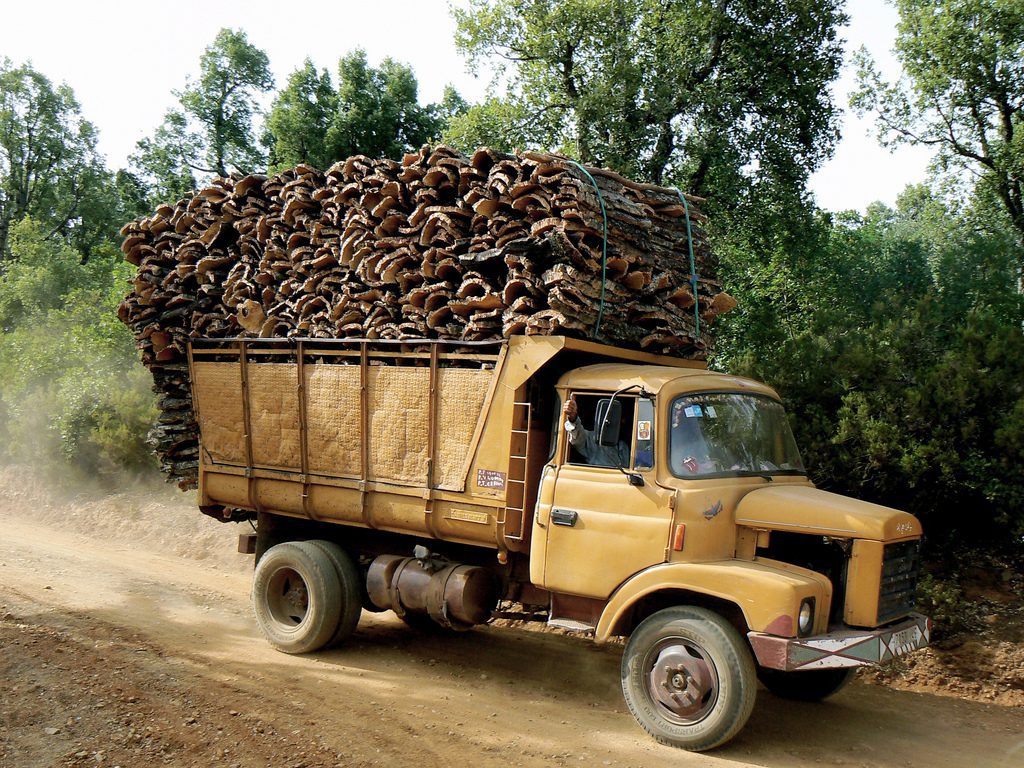
The ‘second’ extraction occurs at year 34, and though much more malleable, it still has limited use and can be incorporated into certain conglomerated materials. Beginning at the ‘third’ extraction (year 43), the cork is considered ‘production’ cork. This cork is used for applications from, wine bottle stoppers and higher value acoustic underlayment, to a litany of other products that either benefit from the technical merits of this mature ‘production’ cork, or the visual benefit of material with less voids. The cork is harvested during summer months (May – August), and the trees are marked (0-9) to designate the year at which the next harvest will be done. Cork trees can live more than 200 years, allowing for dozens of harvests from each tree.
What Makes CORK, as a Raw Material, Unique?
- Unique cellular structure that provides numerous functional attributes (thermal, acoustic, compression/rebound)
- Cork, as a natural raw material, is light-weight and waterproof
- Is considered a ‘circular’ material (all harvested material gets used)
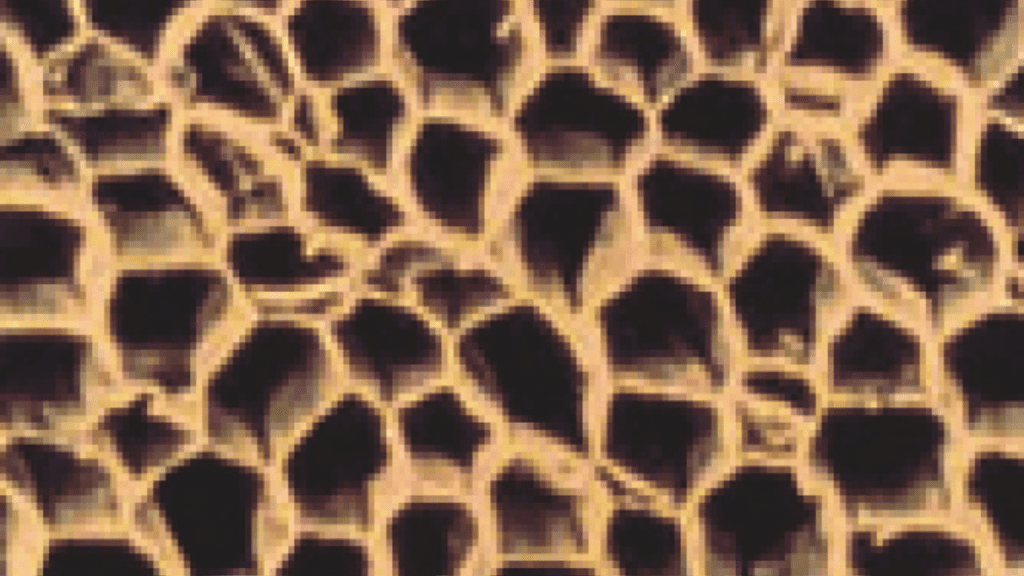
The unique thing about the cork bark is its’ cellular structure, which can best be described as miniscule cellular pockets of air. In total, there are approximately 200 million cellular air pockets per cubic inch of material. Delving into the science a bit – air is an insulator when trapped which limits the conducting properties of the material, which simplistically stated, reduces heat and sound transfer through it. This is why cork has such tremendous thermal and acoustic properties. These cellular ‘bags’ of air also highlight another important characteristic of cork – its’ ability to rebound once compressed. All you have to do is open a bottle of wine to experience this – uncork a bottle, and it is hard to get it back in, but when you do, it is sealed and airtight again. This characteristic has many transitional benefits when the material is used in other applications, especially with flooring. When cork flooring is compressed or dented, it typically returns to normal, where traditional ‘wood’ flooring stays dented. This compressive/rebound characteristic also provides compressive ‘slip resistance’ when walked upon, providing cork with natural ADA-compliant ‘slip resistance’. Another interesting dichotomy is that cork is permeable, yet also impermeable. In ‘mass’ (ie: when used as a bottle stopper), cork is waterproof, but it can absorb moisture in the top layer of the microscopic cells. This is why red wine can ‘stain’ the perimeter of the cork, but the wine does not leak out of the bottle. This feature, of being impermeable beyond a cellular level, is important for a number of applications where cork is predominantly used, like for floating decoys, or when the Versacork Mosaic is used in ‘wet’ (ie: shower basin) applications.
How Is CORK Processed?
- Bark is removed and flattened via steam
- Slabs are used for bottling and decorative elements
- Post-industrial material is granulated and used in other production methodologies based on the product to be created
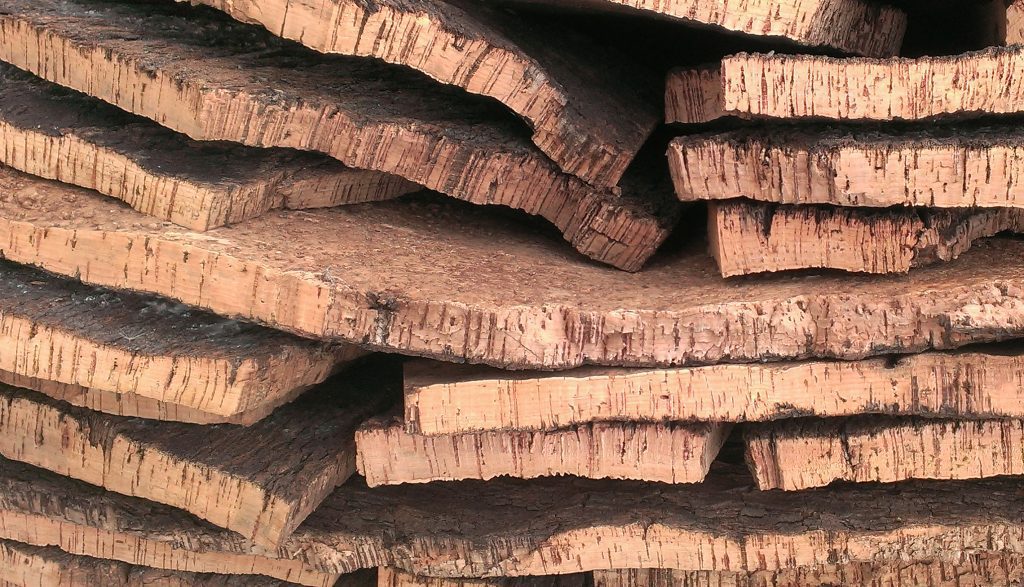
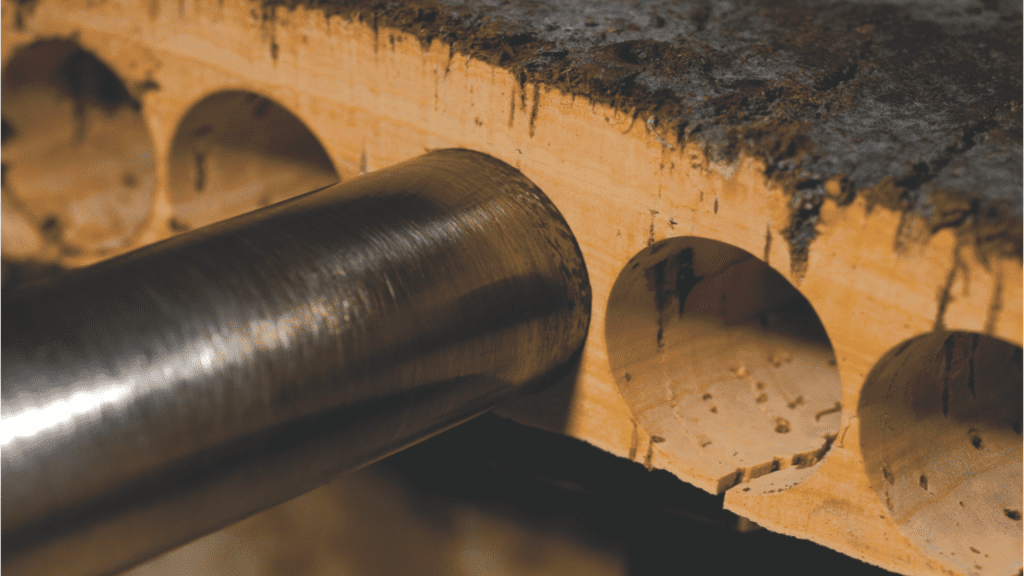
Once the ‘cork’ is removed from the tree, it goes through a period of rest and acclimation, allowing it to stabilize. The processing of the raw material depends on which ‘harvest’ is being done, and what the intended use of the material is. The 1st and 2nd harvests (along with trimmed and felled limbs and branches) are set aside for ‘non-stopper’ applications, as this material has less ‘value’ (monetarily) than the ‘production cork’, but it is suitable for a wide variety of applications and production uses, which typically revolve about granulating the cork into different sized granules based on application. This material can either be used on its’ own (like thermal cork underlayment), or it can be mixed with other materials to form composites (like hemp and cork panels). The 3rd harvest (and beyond) is typically set aside to produce cork stoppers, and other high-value production processes (such as the creation of veneers for decorative proposals and fabric). Cork stoppers (pulling wine cork sized plugs from narrow strips of boiled and cured bark) have historically been the largest revenue generator for the production run cork raw material, and the leftovers feed cork’s circular product development.
Why Is CORK Sustainable?
100% Natural and bio-degradable

Considered a ‘closed-loop’ material
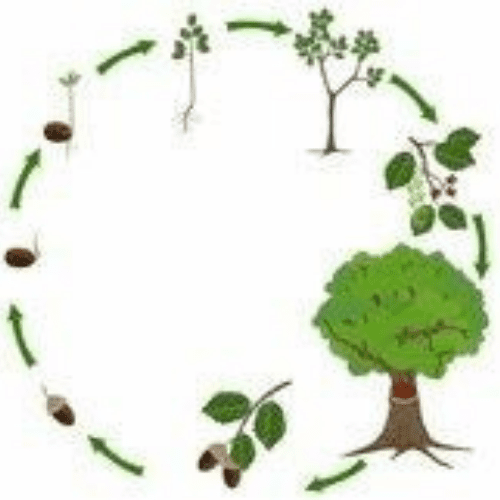
Trees produce material on a 9 year cycle (for hundreds of years)
‘Cork’ is 100% natural, biodegradable, and recyclable. It can be used for many products, is considered ‘rapidly-renewable’ due to its’ harvesting cycle, and it is considered a ‘closed-loop’ material (meaning, all production discards gets used in the creation of other products). Cork provides a moderate to high level of carbon sequestration and is 50% carbon by weight, with a single cork oak tree absorbing up to 5-10 kgs of CO²/ year, which equates to between 1-2 tons of sequestered Carbon over its’ lifespan. When cork is used in durable products that have a long lifespan (flooring, wall panels, insulation, etc.), the carbon is trapped and is locked away from being remitted back into the atmosphere. In products like these, it has been analyzed that 1 ton of harvested cork can store around 1.7 tons of CO² equivalent, making it a ‘carbon negative’ material (reducing more carbon than is used in its processing).
Our Background with CORK
- Longstanding ‘hands-on’ production experience
- Pioneer of multiple of production methodologies into the US market
- Deep-rooted manufacturing partnerships
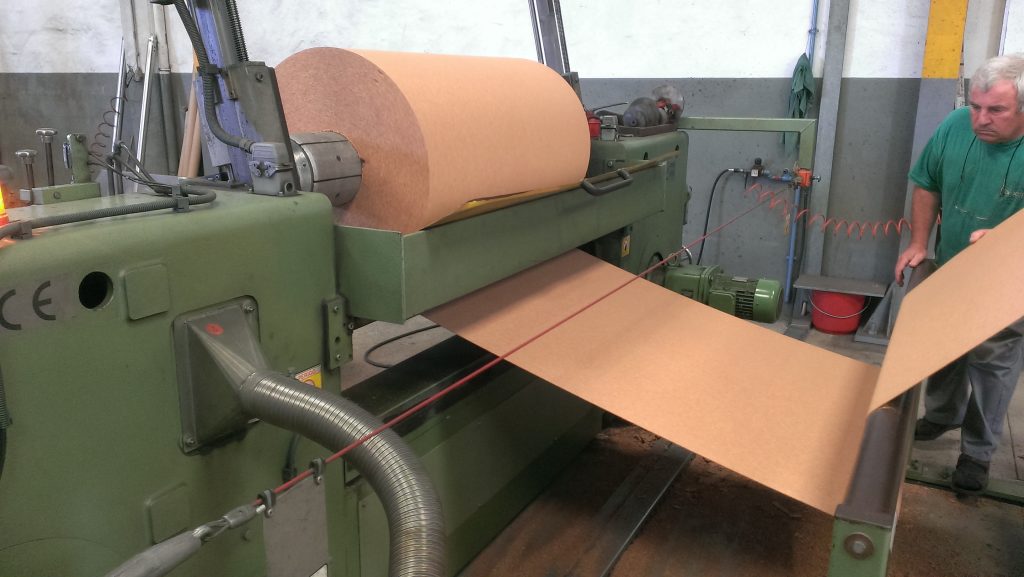
Sustainable Materials has been working closely in the product development and manufacturing of cork products for over 20 years. We have significant technical expertise with the material, as well as deep manufacturing relationships that cover almost every aspect of cork as a commercial material input (including flooring/rugs, wall products, leather/textiles, shoe insoles, insulation, lifestyle/décor items, and other composites that have cork as a component).
Join Our Community of Designers and Architects
Register below for your Trade Account and get your samples for free.